Smile design: composite or ceramic?
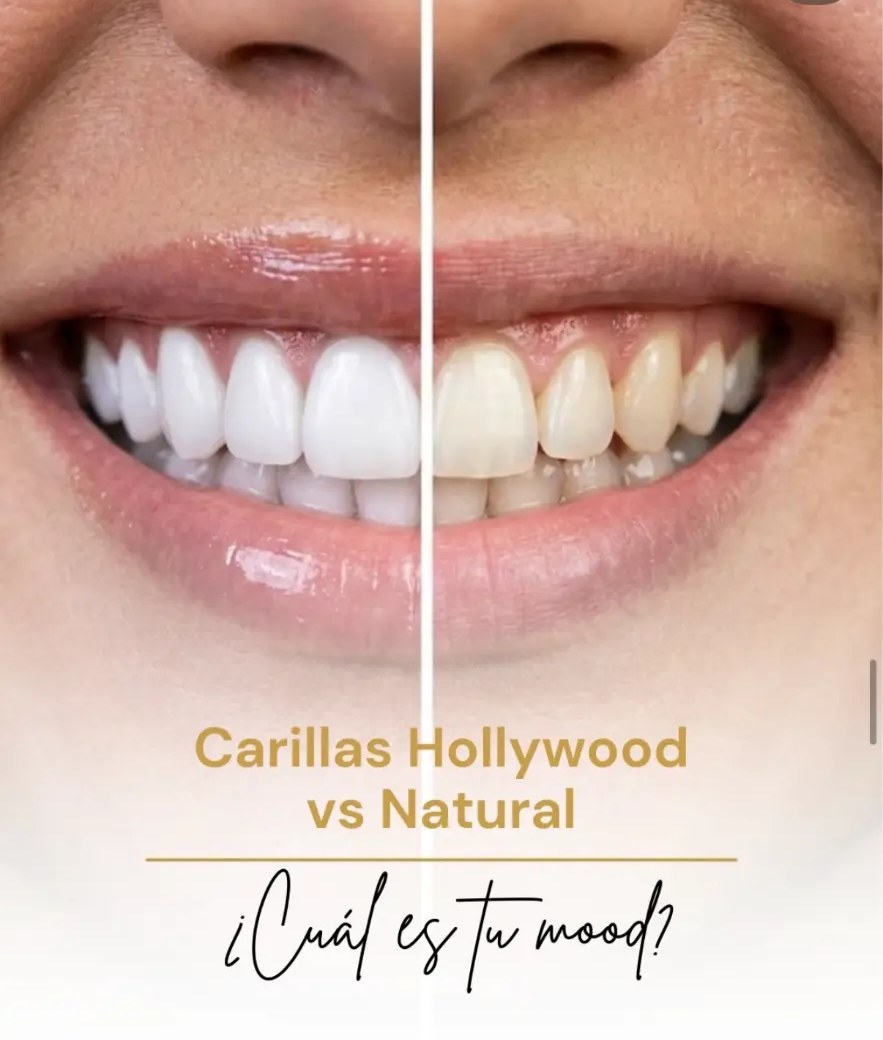
This is the question we hear most in consultation. The honest answer is that there is no better option in the abstract: there is one that fits your mouth, your habits and your goals better.
Composite
It is sculpted chairside, layer by layer. It usually requires little or no tooth reduction, which makes it the most conservative and, in many cases, reversible alternative.
In exchange, composite picks up pigment over time. With coffee, tea, wine or smoking the colour can dull and it needs periodic polishing.
Ceramic
It is made in a laboratory from a previous design. It allows very fine control of shape, texture and translucency, and it resists staining better.
It requires preparing the tooth, although today this is far more conservative than it was years ago. It also involves more visits and a try-in step before final bonding.
How to decide
At the assessment we review your gums, your bite and the condition of each tooth. From there we show you what to expect with each material in your specific case, without generic promises.
If you want to start with the most conservative route, composite is often a good first step. If you want long-term colour stability, ceramic has the advantage.